Certified Ekasi Closed Circuit Television (CCTV) Proffessional
Certified Ekasi Closed Circuit Television (CCTV) Proffessional
✔ Fundamentals of CCTV Systems – Understand camera types, DVR/NVR systems, and surveillance technology. ✔ Installation & Configuration – Learn proper mounting, wiring, and system setup for optimal performance. ✔ Troubleshooting & Maintenance – Diagnose and fix common CCTV issues to ensure uninterrupted security coverage. ✔ Security & Monitoring Best Practices – Master live monitoring, recording playback, and incident reporting. ✔ Legal & Ethical Considerations – Comply with privacy laws and ethical surveillance practices.
Course Description
✔ Fundamentals of CCTV Systems – Understand camera types, DVR/NVR systems, and surveillance technology.
✔ Installation & Configuration – Learn proper mounting, wiring, and system setup for optimal performance.
✔ Troubleshooting & Maintenance – Diagnose and fix common CCTV issues to ensure uninterrupted security coverage.
✔ Security & Monitoring Best Practices – Master live monitoring, recording playback, and incident reporting.
✔ Legal & Ethical Considerations – Comply with privacy laws and ethical surveillance practices.
Learning Outcomes
Upon successful completion, learners will be able to:
1. CCTV System Fundamentals
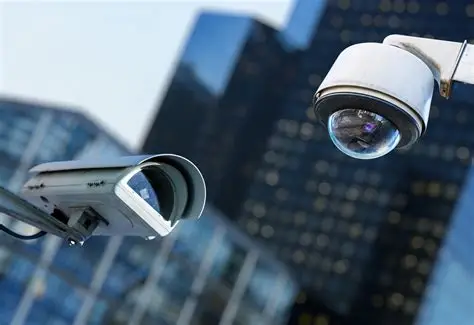
Identify different types of CCTV cameras (e.g., dome, bullet, PTZ) and their uses.
Explain the roles of DVRs, NVRs, IP cameras, and storage solutions.
Understand resolution, focal length, and night vision capabilities.
2. Installation & Configuration
Properly mount and position cameras for optimal coverage.
Connect and configure wiring (power, coaxial, Ethernet) for different setups.
Set up remote viewing via mobile apps and network configurations.
3. Maintenance & Troubleshooting
Diagnose common issues (e.g., blurry footage, signal loss, power failures).
Perform routine maintenance to ensure system longevity.
Replace faulty components and upgrade firmware.
4. Security Monitoring & Operations
Monitor live feeds and review recorded footage effectively.
Recognize suspicious activities and respond appropriately.
Backup and export footage for investigations.
5. Legal & Ethical Compliance
Understand South Africa’s privacy laws (POPIA) and surveillance regulations.
Apply ethical surveillance practices to avoid misuse of CCTV systems.
Handle data securely and respect individuals' rights.
6. Practical Hands-On Experience
Conduct real-world simulations of CCTV installations.
Participate in scenario-based monitoring exercises.
Complete a final assessment project (installing a functional CCTV system).
Target Audience
Aspiring security technicians
Law enforcement personnel
Business owners & property managers
Community safety volunteers
Anyone interested in a career in surveillance technology
Curriculum Locked
Sign in to view the full curriculum and course structure.
Sign In to ViewCertification Details Locked
Sign in to view certification requirements, exam details, and your progress toward earning this certificate.
Sign In to View