Certified Ekasi Network Technician
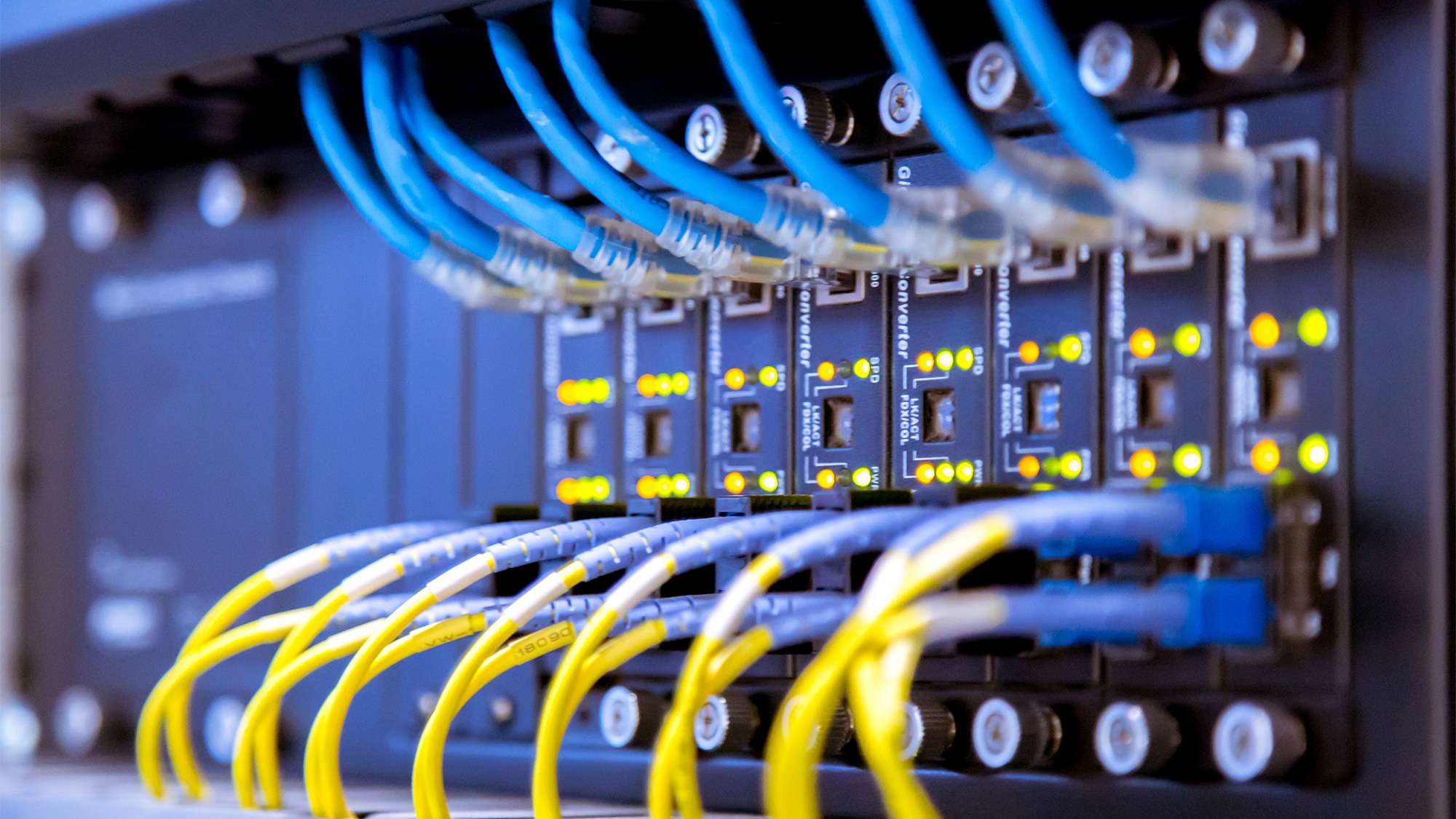
This comprehensive program provides the foundational knowledge and practical skills needed to design, implement, and troubleshoot wired and wireless networks. Participants will learn about network infrastructure, protocols, security, and maintenance, preparing them for roles in network administration and support.
Course Description
This comprehensive program provides the foundational knowledge and practical skills needed to design, implement, and troubleshoot wired and wireless networks. Participants will learn about network infrastructure, protocols, security, and maintenance, preparing them for roles in network administration and support.
Learning Outcomes
✔ Design and implement basic network infrastructures.
✔ Configure routers, switches, and wireless access points.
✔ Troubleshoot common network connectivity issues.
✔ Implement basic network security measures.
✔ Monitor and optimize network performance.
✔ Prepare for entry-level network technician roles.
Target Audience
Aspiring network technicians and administrators.
IT professionals looking to specialize in networking.
Computer technicians expanding their skill set.
Small business owners managing their own networks.
Career changers entering the IT field.
-
What is a Computer Network? (25 min)
-
Network Topologies Explained (30 min)
-
The OSI Model - Layer by Layer (35 min)
-
TCP/IP Protocol Suite (40 min)
-
Data Encapsulation and Decapsulation (30 min)
-
Copper Cabling - UTP and STP (35 min)
-
Fiber Optic Cabling Fundamentals (35 min)
-
Coaxial Cable and Other Media Types (30 min)
-
Cable Termination and Connector Installation (30 min)
-
Cable Testing and Troubleshooting (30 min)
-
IPv4 Addressing Fundamentals (30 min)
-
Subnet Masks and CIDR Notation (30 min)
-
IPv4 Subnetting Step by Step (35 min)
-
VLSM and Subnetting Optimization (30 min)
-
IPv6 Addressing Fundamentals (30 min)
-
Introduction to Ethernet Switching (35 min)
-
VLAN Concepts and Benefits (35 min)
-
802.1Q Trunking and Tagging (35 min)
-
Inter-VLAN Routing (Router-on-a-Stick) (35 min)
-
VLAN Security and Best Practices (35 min)
-
Router Fundamentals and Initial Configuration (35 min)
-
Static and Default Routing (35 min)
-
Dynamic Routing Protocols Overview (35 min)
-
RIP Configuration and Troubleshooting (35 min)
-
OSPF Fundamentals and Configuration (35 min)
-
Wireless Standards and Wi-Fi Generations (30 min)
-
2.4 GHz vs 5 GHz vs 6 GHz Frequency Bands (30 min)
-
Wireless Security Protocols (WEP, WPA, WPA2, WPA3) (35 min)
-
Access Point Configuration and Placement (35 min)
-
Wireless Troubleshooting and Tools (35 min)
-
Network Security Fundamentals and CIA Triad (30 min)
-
Firewalls and Access Control Lists (ACLs) (35 min)
-
Intrusion Detection and Prevention Systems (IDS/IPS) (35 min)
-
Virtual Private Networks (VPNs) and Encryption (35 min)
-
Network Segmentation and Zero Trust (35 min)
-
Network Monitoring Fundamentals and SNMP (30 min)
-
Essential Command-Line Troubleshooting Tools (35 min)
-
Packet Analysis with Wireshark and tcpdump (35 min)
-
Log Management and SIEM (35 min)
-
Performance Monitoring and Baselining (35 min)
-
WAN Overview and Connection Types (30 min)
-
MPLS and Carrier Ethernet Technologies (35 min)
-
Broadband WAN (DSL, Cable, Fiber, 5G) (35 min)
-
SD-WAN (Software-Defined WAN) (35 min)
-
Cloud Connectivity and Hybrid Networks (35 min)
-
RM.1 - Research Methods for IT Professionals (40 min)
-
RM.2 - Data Collection in IT Environments (45 min)
-
RM.3 - Analyzing IT Performance Data (45 min)
-
RM.4 - Research Ethics and Data Privacy for IT Projects (45 min)
-
RM.5 - Reporting IT Research Findings (40 min)
-
ITRC.1 - Integrated Thinking for IT Problem-Solving (45 min)
-
ITRC.2 - Logical Reasoning for IT Troubleshooting (45 min)
-
ITRC.3 - IT Communication - Bridging the Tech Gap (40 min)
-
ITRC.4 - Conflict Resolution in IT Support (40 min)
-
ITRC.5 - Building Consensus in IT Teams (40 min)
Certification Exam
Final examination for Certified Ekasi Network Technician certification
To earn your certificate, you must complete all course materials and pass the final exam with a score of 70% or higher.